Booking access issues in Ilford flats and cleaning solutions
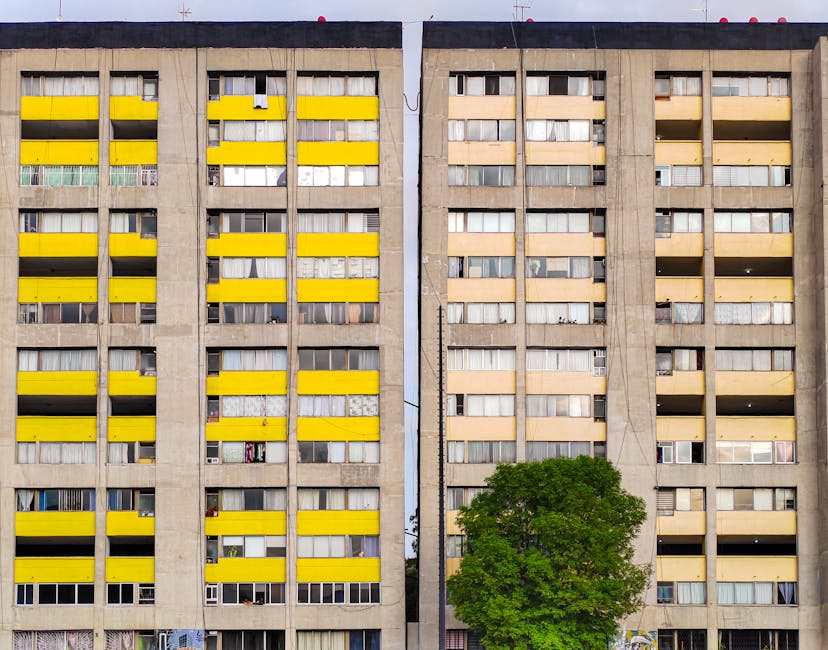
If you have ever tried to arrange a clean in a flat and found yourself stuck between missed calls, locked entry doors, unclear buzzers, and a porter who finishes at 6 p.m., you already know the headache. Booking access issues in Ilford flats and cleaning solutions are not just an admin problem; they can affect the quality of the clean, the time it takes, and whether the job happens at all. In busy parts of Ilford, especially in apartment blocks with shared entrances or tight parking, a good cleaning plan needs more than a diary slot. It needs access planning. Properly handled, though, it becomes simple enough. Well, simpler.
In this guide, we'll look at why access matters, how to organise bookings more smoothly, what can go wrong in Ilford flats, and which cleaning solutions are best when your schedule, keys, and building rules all have to line up. You'll also find a checklist, a comparison table, and a realistic example from day-to-day flat cleaning. No fluff. Just the practical bits you can actually use.
Why Booking access issues in Ilford flats and cleaning solutions Matters
Access issues sound minor until you're standing outside a block with a full kit bag, a hoover, and a time window that's quietly disappearing. In flats, the clean itself is only half the job. The other half is getting in, getting set up, and getting out without creating stress for the resident, the concierge, or the cleaner.
In Ilford, flats often come with shared hallways, fob systems, lift access, controlled entry, basement parking, and neighbours who would really prefer not to hear a vacuum at 8:00 on a Sunday morning. That means a booking has to account for building rules as much as cleaning needs. If that doesn't happen, even a straightforward one-off clean can turn into a delayed start, a shorter service, or an awkward reschedule.
There's also the trust factor. A resident wants to know that a cleaner can arrive on time and complete the work properly. A cleaner wants to know they won't spend twenty minutes on the phone trying to find the right entrance. And if the booking is for a move-out clean, the stakes are even higher because everything is usually happening on a deadline. Truth be told, that's where access planning either saves the day or causes a mess.
It matters because cleaning in flats is rarely just cleaning. It is scheduling, communication, safety, keys, building etiquette, and sometimes a bit of diplomacy. Not glamorous, but essential.
How Booking access issues in Ilford flats and cleaning solutions Works
Good access planning starts before the appointment, not at the front door. When a clean is booked for an Ilford flat, the key questions are simple but important: how will the cleaner enter, who knows they're coming, what time can they arrive, and what needs to be ready when they do?
Usually, the process works best when the booking covers four things: entry method, timing, building restrictions, and special instructions. That might mean a key safe code, a concierge handover, a friend meeting the cleaner, or a resident opening remotely. In some buildings, there's also a rule about loading bays, lift protection, or service entrance use. Small details, yes, but they can change the whole appointment.
The cleaning solution should match the access reality. For example, if access is unpredictable, a one-off cleaning visit with a clear time window may be better than a rushed end-of-day slot. If you live in a block with regular footfall and shared areas, a regular cleaning arrangement can be easier to maintain because the access pattern stays familiar. And if the flat needs a proper reset after a tenancy change, move-in cleaning or move-out cleaning usually works best when access is arranged in advance and everyone knows the handover plan.
In practical terms, the cleaner should not be guessing. If they are guessing, something's already gone a bit sideways.
Typical access points that affect a flat booking
- Entry doors with intercom or buzzer systems
- Concierge or porter-controlled access
- Fob, key card, or physical key handover
- Lift availability and restrictions
- Visitor parking or loading access
- Neighbour noise limits or time restrictions
- Shared hallways that require quiet, careful setup
Key Benefits and Practical Advantages
When access is handled properly, the difference shows up fast. The cleaner starts on time, the job is less rushed, and the resident is less likely to need to chase updates. That sounds basic, but in real life it's often what separates a smooth booking from a frustrating one.
Here are the main advantages:
- Less wasted time - no one is waiting around for keys, codes, or a call back from reception.
- Better cleaning quality - the cleaner has enough time and energy to do the job properly.
- Fewer cancellations - access details are confirmed early, so surprises are less likely.
- Safer working conditions - cleaners can bring equipment in without awkward lifting or blocked routes.
- Smoother building relationships - neighbours, porters, and management teams are less likely to be inconvenienced.
Another benefit that people overlook is mental ease. You don't spend the morning wondering whether the cleaner has the right door code. You know they do. That bit of calm matters more than people admit.
For homes with carpets, upholstery, or mattresses that need more specialist treatment, access planning also helps because those jobs often require extra kit. Booking a carpet cleaning appointment or mattress cleaning in a flat is easier when stairwells, lifts, and entry points are already sorted.
Who This Is For and When It Makes Sense
This topic matters to a fairly wide group of people, not just landlords or tenants. If you live in a flat in Ilford, manage one, clean one, or rent it out occasionally, you've probably run into some version of the same problem.
It makes sense for:
- Tenants moving out and needing a dependable end-of-tenancy clean
- Landlords preparing a property for new occupants
- Letting agents coordinating access between viewings and maintenance
- Homeowners in flats who want routine domestic support
- Airbnb hosts dealing with short turnaround times
- Residents in communal buildings with fob-controlled entry
It also makes sense when the building itself is a little tricky. Some blocks are fine until 10 a.m., then suddenly every entrance is locked, the lift is shared, and the porter has gone off shift. Happens more than you'd think.
If you need a deeper reset rather than a standard tidy-up, a deep cleaning visit can be the better choice. It is especially useful if access is limited and the cleaner needs to make every minute count once inside.
Step-by-Step Guidance
Here's a practical way to organise a flat clean when access might be awkward. Keep it simple and specific.
- Confirm the exact flat and entry point. Do not assume the cleaner will know which block, which stairwell, or which buzzer panel to use.
- Choose the access method. Key handover, concierge, key safe, remote entry, or someone meeting the cleaner on arrival.
- Share building rules early. Include parking limits, lift instructions, access hours, and any "no loud cleaning before..." type rules.
- Agree a realistic time window. A tight slot is only helpful if someone can actually let the cleaner in.
- Clarify what the clean includes. Kitchen, bathroom, inside cupboards, carpets, windows, oven, or just general surfaces.
- Prepare the flat where possible. Clear clutter, put valuables away, and make sure the entrance path is open.
- Send the access notes again on the day. A quick reminder can save a surprising amount of trouble.
A simple booking note can look like this: "Flat 8B, side entrance near the pharmacy, fob entry, concierge available until 5 p.m., parking in visitor bay 3, call on arrival if the front door is locked." Short. Clear. Job done.
If you're arranging a rented property or guest stay, it can also help to match the service to the turnover type. For example, Airbnb cleaning is usually about speed and presentation, while house cleaning and domestic cleaning focus more on ongoing upkeep and comfort.
Expert Tips for Better Results
Over time, a few small habits make access-based bookings much easier. Nothing exotic. Just the sort of sensible details people forget when they're busy.
Tip 1: Write access notes like a person who won't be there to explain them. If the cleaner has to call three times to find the entrance, the instructions were not clear enough. Use landmarks, not just buzz numbers.
Tip 2: Keep the booking under one decision-maker where possible. The more people involved in giving access, the more likely a code gets missed or a key gets handed to the wrong person. A single point of contact makes life easier.
Tip 3: Match the clean to the building rhythm. In some Ilford flats, early mornings work well because the lift is quiet and the corridor is clear. In others, late morning is better because the concierge is on duty. There is no one perfect time. The building decides a bit of that for you.
Tip 4: Separate "access risk" from "cleaning scope". A flat can need an oven clean, windows, and upholstery work, but if access is limited, you may be better splitting it into a main visit and a follow-up. A sensible split beats an overpacked appointment.
Tip 5: Keep valuables and personal paperwork out of sight. This is just common sense, but it also keeps the cleaner focused on the clean rather than working around sensitive items.
And yes, one more thing: if your building has a door that only opens when you nudge it, push, then pull, then lightly swear at it, mention that. Honestly, that little warning can save a lot of time.
Common Mistakes to Avoid
Most access issues are preventable. The trouble is they often look minor on paper, so people don't treat them as priority items.
- Leaving access details until the last minute - by then, there is no room to fix problems calmly.
- Assuming a postcode is enough - in flats, the exact entrance matters just as much as the address.
- Forgetting building restrictions - some properties have strict rules on parking, noise, or visitor entry.
- Booking too small a time window - if the cleaner is delayed at the door, the whole schedule slips.
- Not checking the scope of work - access delays and a bigger-than-expected clean are a bad mix.
- Relying on one person to remember everything - keys, codes, and instructions need to be shared properly.
Another common one: not telling the cleaner about stair-only access until they arrive with a trolley. That is the sort of surprise nobody enjoys. Not the cleaner, not the resident, not the neighbour watching the drama from the landing.
Tools, Resources and Recommendations
You do not need a fancy setup to manage access better. A few simple tools and habits are enough.
- A clear booking note with entry method, flat number, and backup contact
- A phone reminder on the booking day to recheck access details
- A shared message thread if several people manage the property
- A short building information sheet for repeat visits
- A key log if physical keys change hands often
For service choices, it helps to think in terms of outcomes. If you want a spotless reset after renovation dust, after builders cleaning is more suitable than a standard domestic visit. If you mainly want ongoing help, regular cleaning may be the better fit. If the place only needs a quick refresh before visitors arrive, one-off cleaning often does the job.
For fabric-heavy homes, the right add-ons matter too. Sofa cleaning, upholstery cleaning, and rug cleaning can all be worthwhile if the flat has absorbed everyday wear and needs a proper lift, not just a surface wipe.
Law, Compliance, Standards, or Best Practice
In the UK, flat cleaning bookings are not usually about heavy regulation, but there are still clear best-practice expectations around safety, responsibility, and access handling. The main idea is simple: cleaners should be able to work safely, and residents or property managers should provide accurate information so that safety is not compromised.
That includes sensible things like:
- sharing accurate access instructions
- making sure the workspace is reasonably safe to enter
- keeping walkways free from trip hazards where possible
- respecting building rules on noise and shared spaces
- using insured and safety-conscious service providers where appropriate
If you are comparing providers, it is reasonable to look at general trust pages such as insurance and safety, the health and safety policy, and the terms and conditions. These pages won't solve access issues on their own, of course, but they do help you understand how a company works and what it expects from the booking process.
For payments and booking confidence, it can also be helpful to review payment and security, especially if the service is being arranged remotely or by an agent. And if you want to understand who is behind the business, the about us page is often a useful place to start.
Best practice? Keep it clear, keep it honest, and keep the instructions usable by someone who has never been to the building before. That's the real standard.
Options, Methods, or Comparison Table
If you're deciding how to handle access, a quick comparison helps. Different buildings call for different methods, and not every option suits every flat.
| Access method | Best for | Pros | Watch-outs |
|---|---|---|---|
| Resident meets cleaner | Single flats, flexible schedules | Simple, personal, low confusion | Depends on punctuality from both sides |
| Concierge or porter handover | Managed blocks | Reliable and structured | Limited by staff hours |
| Key safe or coded entry | Repeat bookings, remote management | Convenient and scalable | Codes must be shared securely and updated |
| Physical key pickup/drop-off | One-off visits, landlords, agents | Good when access is irregular | Extra handling, easy to misplace if sloppy |
In practice, the best option is the one that keeps the appointment predictable. Predictable beats clever. Every time.
Case Study or Real-World Example
Imagine a two-bedroom flat in Ilford with shared entry, a lift, and limited visitor parking. The resident books a deep clean after a busy few months. The flat itself is fine, but there's a catch: the cleaner can only access the block through the side entrance, the concierge leaves at 4:30 p.m., and the flat is on the fifth floor.
On the first attempt, the booking is vague. The cleaner arrives, can't get through the front entrance, and spends ten minutes trying to reach the resident. By the time access is sorted, the clean is rushed and some tasks are pushed back. Nothing disastrous, just messy and frustrating.
On the second attempt, the booking note is much better: exact entrance, concierge times, parking note, flat number, and a backup phone contact. The resident also requests a late-morning slot, which lines up with the building's quieter period. This time the cleaner gets in, sets up quickly, and finishes without interruption. The flat feels fresher, the kitchen smells clean, the windows are streak-free, and nobody has had to play door-code detective.
That's the real lesson. The cleaning solution was not radically different. The access planning was.
Practical Checklist
Use this before any flat booking in Ilford. It keeps things tidy and saves awkward back-and-forth.
- Confirm the exact flat number and building entrance
- Share access method: key, fob, concierge, code, or meeting point
- Check the cleaner's arrival window against building rules
- Note parking, lift, and loading instructions
- List any noise restrictions or quiet hours
- Explain the cleaning scope clearly
- Remove clutter from floors and worktops where possible
- Keep a backup contact number available
- Tell all relevant people who is opening the door
- Re-send key details on the booking day
If you want a service that fits the condition of the flat, you may also want to think ahead about specific add-ons like oven cleaning or window cleaning. These are the jobs people often forget until the end, and then suddenly they matter a lot.
Conclusion
Booking access issues in Ilford flats are rarely about one huge problem. More often, they are a pile of small ones: a buzzer that isn't labelled clearly, a concierge shift that ends early, a parking bay that wasn't mentioned, a key that is with the wrong person. Put all that together and even a good clean can feel harder than it should.
The good news is that the fix is usually straightforward. Plan access before the appointment, match the cleaning solution to the building, and make the instructions clear enough that nobody has to guess. When that happens, the whole process feels lighter. Less chasing, fewer delays, better results. Simple, really.
Get a free quote today and see how much you can save.
And if you're still trying to untangle a tricky building setup, take heart: once the access is sorted, the rest tends to fall into place.
Frequently Asked Questions
What are the main access problems in Ilford flats?
The most common problems are unclear entry instructions, missing key handovers, concierge time limits, parking restrictions, and lift or stair access that was not mentioned at booking time.
How do I book a cleaner for a flat with restricted entry?
Share the exact entry method, flat number, access times, and a backup contact. If the building has strict rules, include them in the booking note so the cleaner can plan properly.
Is a deep clean better than a standard clean for flats with access issues?
Not always, but it often helps when access is limited and the cleaner needs to do more in one visit. A deep cleaning appointment can be more efficient if the flat needs a fuller reset.
What should I tell a cleaner before they arrive at my block?
Tell them how to enter, where to park, whether a lift is available, who will meet them, and any building rules about noise or entry times. The more practical the note, the better.
Can communal areas affect the booking?
Yes. Shared halls, stairs, and lifts can affect arrival time, equipment handling, and noise. If your block needs a tidy shared entrance, communal area cleaning may also be relevant.
What if the cleaner cannot get into the flat?
If access fails, the appointment may be delayed, shortened, or rescheduled depending on the arrangement. That is why a backup contact and clear instructions are so useful.
Are regular cleans easier to manage than one-off visits?
Usually, yes. With a regular cleaning arrangement, access becomes familiar and repeatable, which cuts down on confusion.
How do move-in and move-out cleans differ in access planning?
Move-in and move-out cleans often depend on a handover time, key pickup, or a narrow window between tenants. They tend to need tighter coordination than everyday domestic visits.
Should I include building rules in the booking note?
Absolutely. Even small rules about quiet hours, loading bays, or lift use can affect the appointment. It's better to mention them early than to discover them at the front door.
What kind of cleaning works best for furnished flats?
Furnished flats often benefit from services that cover soft items as well as surfaces. Depending on the condition of the place, sofa cleaning, upholstery cleaning, or mattress cleaning can make a noticeable difference.
How can I avoid booking confusion with multiple people involved?
Pick one main contact for access details and keep the instructions in one message thread. If everyone has a different version of the plan, things get muddled very quickly.
Where can I check general service policies before booking?
You can review useful pages like terms and conditions, insurance and safety, and contact us if you want to understand the service process better before arranging a visit.