Deep Cleaning in Modern Homes and Workspaces: A Practical Approach to a Healthier, Fresher Environment
Deep cleaning is more than a routine chore. It is a thorough, intentional process that reaches beyond everyday tidying and surface cleaning to target built-up dirt, hidden dust, grease, grime, and bacteria. Whether you are preparing a home for a new season, refreshing a busy office, or restoring a property after a long period of neglect, deep cleaning plays a major role in creating a healthier and more comfortable space. It helps improve indoor air quality, reduces allergens, and makes rooms feel brighter, cleaner, and more welcoming.
For homeowners, property managers, and business owners alike, deep cleaning is one of the most effective ways to protect surfaces, preserve furnishings, and maintain a polished appearance. While regular cleaning keeps mess under control, deep cleaning tackles the areas people often overlook: behind appliances, beneath furniture, inside cabinets, along baseboards, and in high-touch areas that accumulate dirt over time. The result is a cleaner environment that feels renewed from top to bottom.
In many settings, deep cleaning is also a practical investment. It supports better hygiene, helps extend the life of materials, and can even improve the experience of visitors, employees, and family members. When done well, it transforms a space in a way that standard cleaning simply cannot match. Below, you will find a structured look at what deep cleaning involves, why it matters, what areas deserve attention, and how to approach it effectively.
What Deep Cleaning Really Means
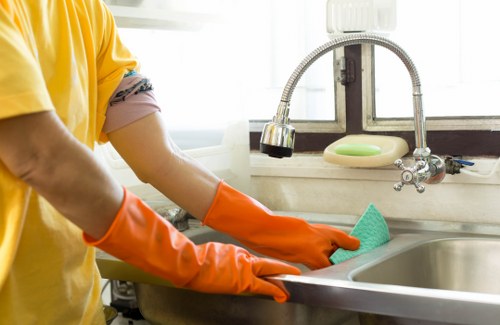
Deep cleaning is a detailed cleaning process designed to reach the places that routine cleaning may miss. While everyday upkeep focuses on visible dust and spills, deep cleaning aims to remove layers of buildup that settle into corners, fixtures, fabrics, and hidden surfaces. It often requires more time, stronger attention to detail, and the right tools to achieve lasting results.
Unlike a quick tidy-up, deep cleaning typically includes scrubbing, disinfecting, degreasing, polishing, and organizing areas that collect dirt over weeks or months. In a home, that might mean cleaning inside kitchen appliances, washing baseboards, sanitizing bathroom grout, and vacuuming under heavy furniture. In a workplace, deep cleaning may include sanitizing shared equipment, wiping vents, and cleaning carpets in high-traffic zones.
What makes deep cleaning especially valuable is its ability to address both appearance and hygiene. A room may look clean on the surface while still holding dust in vents, grime under sinks, or bacteria on handles and switches. A proper deep cleaning session helps reduce these hidden issues and supports a more comfortable everyday environment.
Why Deep Cleaning Matters for Homes and Businesses
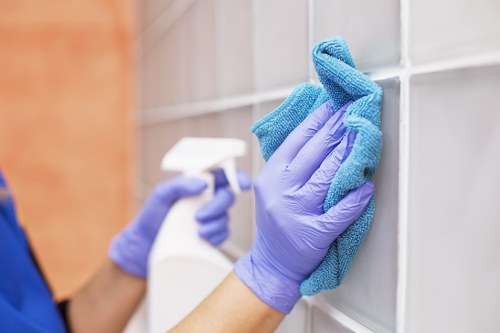
There are many reasons deep cleaning deserves attention. One of the biggest is health. Dust, pet dander, mold spores, and other allergens can settle into fabrics and surfaces, then circulate through the air whenever someone walks by or opens a window. A careful deep cleaning can reduce those particles and make breathing easier, especially for people with allergies or sensitivities.
Deep cleaning also protects the condition of your property. Dirt and grime can wear down flooring, discolor grout, clog vents, and create residue on countertops and appliances. By removing buildup before it becomes stubborn, you help maintain the quality and lifespan of your interior surfaces. That is true for both residential and commercial settings.
Another important reason is presentation. Whether you are hosting guests, preparing to move, or welcoming clients into an office, the cleanliness of the space sends a message. A polished environment feels professional, organized, and cared for. Deep cleaning helps create that strong first impression while also supporting everyday comfort.
Key benefits at a glance
- Improves indoor air quality
- Reduces allergens and dust buildup
- Helps prevent odors from lingering
- Extends the life of surfaces and fixtures
- Enhances the look and feel of the space
- Supports a healthier environment for families, staff, and guests
Areas That Benefit Most from Deep Cleaning

Some areas show dirt right away, but others hide buildup until it becomes a larger problem. That is why deep cleaning should focus on both visible and overlooked spaces. Kitchens, bathrooms, bedrooms, living areas, offices, and entryways all benefit from targeted attention. Each zone has its own cleaning challenges, so it helps to approach them systematically.
In kitchens, grease can collect on cabinets, backsplash areas, and appliance exteriors. Inside ovens, microwaves, and refrigerators, crumbs and spills create odors and attract pests if left untreated. Bathrooms often need more intensive cleaning because soap scum, hard water stains, and moisture can build up quickly on tiles, glass, sinks, and fixtures. A thorough deep cleaning keeps these spaces fresher and more sanitary.
Living rooms and bedrooms may not seem as dirty, but they often hold more dust than people realize. Upholstery, carpets, curtains, under-bed areas, and vents can trap particles over time. Offices and shared workspaces also need deep cleaning because keyboards, shared desks, door handles, and break areas are used constantly. Cleaning these high-contact surfaces supports a healthier setting for everyone.
Common focus areas
- Baseboards, trim, and moldings
- Behind and under furniture
- Inside cabinets and drawers
- Appliances and sink fixtures
- Tile grout and shower enclosures
- Light switches, handles, and railings
- Vents, fans, and window ledges
- Carpets, rugs, and upholstery
When these areas are addressed regularly, the entire property feels more balanced and maintained. The work may be detailed, but the payoff is noticeable in both cleanliness and comfort. In that sense, deep cleaning is not just about removing dirt; it is about restoring order and making the space easier to enjoy day after day.
Another useful way to think about deep cleaning is as a reset. After busy seasons, renovations, events, or extended periods of heavy use, surfaces often need more than a light wipe-down. They need a complete refresh that reaches below the visible layer of dust. That reset can make a dramatic difference in how a room looks, smells, and functions.
For many people, the challenge is knowing where to start. A structured plan makes the process far easier and more effective. Rather than trying to clean everything at once, it helps to divide the work by room or by task, beginning with the most neglected areas. This improves efficiency and reduces the chance of missing important details.
Deep Cleaning a Kitchen the Right Way
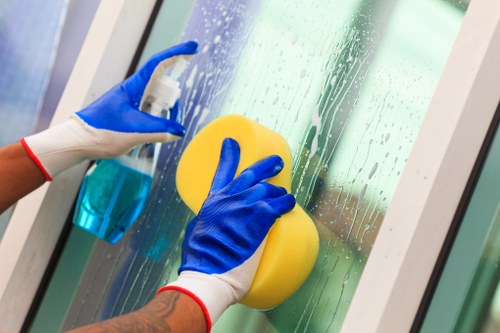
The kitchen is one of the most important places to deep clean because it combines food preparation, frequent traffic, moisture, and grease. A surface may look fine at first glance, yet still carry residue behind appliances or under handles. Deep cleaning in the kitchen should be methodical, because small overlooked areas can affect both hygiene and appearance.
Start by emptying and wiping cabinets, drawers, and pantry shelves. Remove crumbs, sticky spots, and expired items. Then move to appliances. Ovens often collect baked-on grease, while microwaves tend to trap food splatter. Refrigerators need shelves cleaned, drawers washed, and seals wiped to remove residue. Dishwashers, stovetops, range hoods, and sink drains also deserve close attention.
Countertops and backsplash areas should be scrubbed carefully based on the surface material. It is also smart to sanitize handles, switches, and the fronts of cabinets, since these are touched constantly. Deep cleaning the kitchen can also involve mopping under appliances, wiping walls near cooking zones, and polishing stainless steel for a brighter finish. When done properly, the entire room feels fresher and more organized.
Kitchen deep cleaning checklist
- Clear and clean cabinet interiors
- Clean the inside and outside of appliances
- Degrease stovetops and range hood surfaces
- Scrub sink basins and drain areas
- Disinfect countertops and backsplash sections
- Vacuum and mop under movable appliances
- Wipe switches, knobs, and handles
Bathroom Deep Cleaning for Better Hygiene
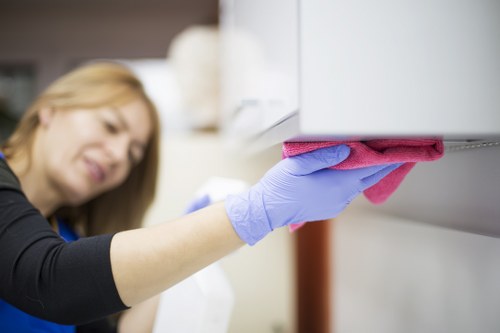
Bathrooms require consistent attention because moisture encourages soap scum, mildew, and mineral buildup. A proper deep cleaning routine targets the fixtures and surfaces that accumulate grime over time. This includes toilets, sinks, tubs, showers, mirrors, floors, grout, and ventilation points. Paying attention to these details creates a cleaner, more pleasant space and helps prevent unpleasant odors.
One of the most effective bathroom tasks is scrubbing grout and tile lines. These narrow spaces trap dirt and discoloration, especially in showers and around sinks. Glass shower doors often need descaling to remove hard water marks. Faucets and handles should be disinfected, while drains should be checked for buildup that can slow water flow or contribute to odors. A strong deep cleaning session brings clarity and shine back to the room.
Bathrooms also benefit from hidden-area cleaning. Behind the toilet, beneath vanities, along baseboards, and around floor edges often collect dust or debris. Vent fans should be cleaned to improve airflow and reduce moisture retention. If your bathroom includes storage, make sure shelves, baskets, and cabinet interiors are emptied and wiped down as well. This not only improves cleanliness but also helps maintain a sense of calm and order.
Helpful bathroom cleaning priorities
- Disinfect high-touch areas daily or weekly
- Use safe scrubbing methods for tile and grout
- Remove limescale from faucets and glass
- Clean mirrors and chrome fixtures thoroughly
- Freshen vents and hard-to-reach corners
Deep cleaning bathrooms regularly can also support better odor control. Moisture trapped in corners, drains, or fabrics may lead to stale smells even when the room looks tidy. By dealing with the source of the issue instead of masking it, you create a genuinely fresher atmosphere. This is one of the reasons deep cleaning is so effective and so worthwhile.
For households with children, pets, or frequent visitors, the need for detailed cleaning becomes even more important. Everyday use can increase buildup much faster than expected. When you commit to deep cleaning in key areas, you reduce maintenance challenges and keep the home feeling better for longer periods between sessions.
Commercial spaces also see major benefits from a detailed cleaning routine. Shared environments need careful care because many people touch the same surfaces throughout the day. That includes desks, break rooms, restrooms, conference tables, elevator buttons, and entry points. Deep cleaning in offices and retail settings helps promote a more professional image while supporting workplace wellness.
How to Build an Effective Deep Cleaning Routine
Creating a workable deep cleaning routine makes the process less overwhelming. The best routine depends on the size of the space, how often it is used, and the type of surfaces involved. Some people prefer to deep clean one room each week, while others schedule larger sessions monthly or seasonally. What matters most is consistency and attention to the right details.
Start by identifying the highest-priority areas. Kitchens and bathrooms usually come first because they experience the heaviest buildup. After that, move to sleeping areas, living spaces, hallways, and entryways. In offices or shared buildings, prioritize reception areas, meeting rooms, restrooms, and common-use equipment. Once the order is set, break each job into smaller tasks so the work feels manageable.
It can also help to gather supplies in advance. A successful deep cleaning session often includes microfiber cloths, scrub brushes, vacuum attachments, disinfectant, degreaser, glass cleaner, mop supplies, and material-safe solutions. Having everything ready before you begin saves time and helps maintain momentum. The smoother the process, the more likely it is that deep cleaning becomes a regular habit rather than a stressful event.
Smart planning tips
- Work room by room to stay organized
- Declutter before cleaning detailed surfaces
- Use the right product for each material
- Focus on top-to-bottom cleaning so dust falls downward
- Set realistic time blocks for each area
- Repeat important tasks seasonally or monthly
Deep cleaning is most effective when paired with regular upkeep. Light daily or weekly cleaning helps prevent excessive buildup, making detailed sessions faster and more efficient. In other words, routine maintenance and deep cleaning work best together. One supports the other, and both help preserve the condition of the space.
It is also important to use safe methods. Not every product works on every surface, and some materials require special care. Stone, wood, stainless steel, fabric, and tile all respond differently to moisture, pressure, and chemicals. Reading labels and testing products in small areas can protect surfaces from damage and preserve their finish.
If the project feels too large, it may be worth considering professional support. Larger homes, post-renovation spaces, busy commercial properties, and areas with stubborn buildup often benefit from expert attention. Professional deep cleaning services can save time, improve consistency, and handle challenging spots more effectively. Book your service now if you want a faster path to a cleaner, healthier environment.
Common Mistakes to Avoid During Deep Cleaning
Even with good intentions, some common mistakes can reduce the effectiveness of deep cleaning. One frequent issue is rushing through the job. Thorough cleaning takes time, and skipping steps often leads to missed buildup in corners, vents, or hidden surfaces. Another mistake is cleaning from the bottom up, which can cause dust and debris to settle onto areas already finished.
Using the wrong products is another problem. Harsh cleaners may damage delicate materials, while mild solutions may not be strong enough for grease or soap scum. It is also easy to overlook frequently touched but less obvious areas, such as remote controls, switch plates, door frames, and appliance handles. These details matter because they contribute significantly to the overall cleanliness of the space.
Finally, some people stop after the visible areas look clean. But true deep cleaning involves a broader mindset. The goal is not only to make the room look better for the moment, but to reduce hidden buildup, improve hygiene, and create a lasting sense of freshness. Taking a more deliberate approach leads to better, more durable results.
Typical mistakes to watch for
- Skipping hidden or hard-to-reach areas
- Using products that are too strong or too weak
- Ignoring high-touch surfaces
- Cleaning in a rushed or unplanned way
- Forgetting to ventilate the space during cleaning
As spaces change, deep cleaning needs may also shift. A home with pets may require more frequent vacuuming and upholstery care, while a busy office might need repeated sanitizing of shared spaces. Seasonal changes can also affect cleaning priorities, especially when windows are opened, humidity increases, or outdoor debris is tracked inside. Staying flexible helps keep the routine effective.
Many people find that deep cleaning also improves their mindset. A cleaner room often feels less distracting, more peaceful, and easier to manage. That sense of order can make daily tasks smoother and can even create more motivation to keep the space organized. In this way, the benefits of deep cleaning often extend beyond appearance and into overall well-being.
Another advantage is preparedness. A well-maintained space is easier to maintain before events, inspections, guests, or business meetings. When surfaces are already clean and protected from buildup, last-minute maintenance becomes simpler. This makes deep cleaning a practical part of property care, not just an occasional extra effort.
When to Schedule Deep Cleaning
There is no single schedule that fits every home or business, but there are common moments when deep cleaning becomes especially valuable. Seasonal changes are a popular time because they create a natural reset point. Spring and fall are often ideal for detailed cleaning, decluttering, and refreshing high-use spaces. These times allow you to address buildup before the next busy stretch begins.
Deep cleaning is also useful before major events, after renovations, before moving in or out, and after long periods of heavy use. Businesses may schedule it after peak seasons, before inspections, or during planned maintenance windows. In each case, the goal is the same: restore cleanliness, remove buildup, and create a more presentable environment.
If you are unsure whether a space needs deep cleaning, look for warning signs such as persistent odors, visible grime in corners, dusty vents, dull surfaces, sticky residue, or allergy flare-ups. These indicators often suggest that a regular surface clean is no longer enough. Addressing the issue sooner can make the work easier and the results more noticeable.
Good times to schedule deep cleaning
- Seasonal transitions
- Before or after hosting events
- Following renovations or repairs
- During property turnovers
- After illness or heavy use
- When buildup becomes visible or noticeable
Ultimately, deep cleaning is about more than making things look neat. It supports a better living or working environment, protects surfaces, and helps keep the property in strong condition over time. Whether you handle the task yourself or bring in professional help, the benefits are clear and long-lasting.
If your home or workplace is due for a serious refresh, now is the perfect time to act. A carefully planned deep cleaning session can make a remarkable difference in cleanliness, comfort, and appearance. Contact us today and take the first step toward a fresher, healthier space. Book your service now to get started.