Communal Area Cleaning: Keeping Shared Spaces Safe, Fresh, and Welcoming
Why Communal Area Cleaning Matters for Every Property
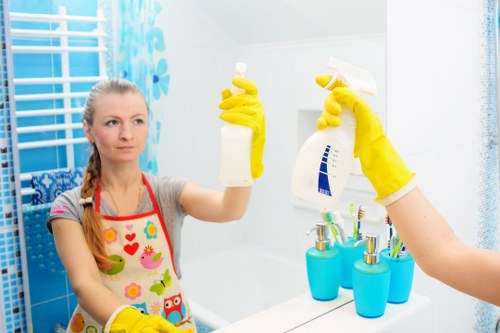
Communal area cleaning is one of the most important parts of property upkeep, yet it is often overlooked until dirt, clutter, or odors become impossible to ignore. Shared spaces such as lobbies, corridors, stairwells, lifts, reception areas, laundry rooms, bin stores, and entrance halls are used by many people every day. Because of that heavy traffic, these areas collect dust, fingerprints, litter, germs, and wear much faster than private rooms.
When communal area cleaning is carried out consistently, it creates a better experience for residents, visitors, tenants, and staff. Clean shared spaces improve first impressions, support hygiene, and help buildings feel more cared for. In apartment blocks, office buildings, housing associations, student accommodation, and mixed-use properties, a tidy communal environment can make a noticeable difference to comfort and safety.
A well-planned communal cleaning routine also helps protect property value. Floors, walls, railings, and fixtures last longer when grime is removed regularly. In other words, good communal area cleaning is not just about appearance; it is a smart maintenance strategy that reduces long-term costs and keeps the environment pleasant for everyone.
What Communal Area Cleaning Usually Includes
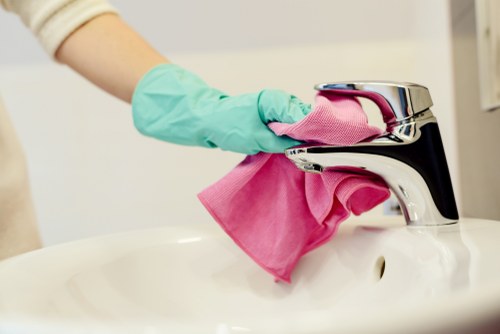
Every building is different, but professional communal area cleaning normally covers a broad range of tasks designed to keep shared spaces hygienic and visually appealing. The exact schedule may vary depending on the building size, number of occupants, and level of foot traffic.
Typical duties often include:
- Sweeping, vacuuming, and mopping floors
- Cleaning entrance mats and floor edges
- Dusting skirting boards, ledges, handrails, and fixtures
- Wiping down door handles, switches, intercoms, and buzzers
- Cleaning lift interiors and buttons
- Polishing glass doors, mirrors, and low-level windows
- Removing litter and checking bin areas
- Cleaning stairs, bannisters, and landings
- Sanitising high-touch points
Depending on the setting, communal area cleaning may also include deep cleaning tasks such as machine scrubbing floors, restoring lobby shine, or carrying out periodic sanitisation. A good service will adapt to the needs of the property rather than offering a one-size-fits-all approach.
Common Areas That Need Regular Attention
Shared environments can be deceptively busy. Even a small building can generate constant dirt through shoes, pets, deliveries, and frequent contact with surfaces. That is why communal area cleaning needs to be planned with each high-use zone in mind.
Entrance halls are one of the first areas people see, so they should always look tidy and welcoming. Corridors and hallways collect dust and marks from daily passage, while staircases tend to gather debris in corners and along edges. Lift cabins require special care because they are touched by many people throughout the day. Bin rooms, laundry spaces, and shared storage areas can also become unhygienic if not cleaned regularly.
In office buildings, reception areas, meeting room corridors, shared kitchens, and restroom-adjacent walkways all need consistent attention. In residential blocks, post areas, entryways, and mail corners often need extra cleaning because they are touched frequently and see constant movement. Effective communal area cleaning focuses on both visible cleanliness and hidden buildup.
The Benefits of Professional Communal Area Cleaning
There are many reasons property managers and landlords choose professional communal area cleaning instead of relying on occasional ad hoc tidying. The biggest advantage is consistency. Scheduled cleaning ensures shared spaces never slip too far into poor condition, even during busy periods or seasonal weather changes.
Another major benefit is hygiene. High-touch surfaces in communal spaces can spread bacteria and viruses if they are not regularly disinfected. A professional team understands how to clean these areas properly using suitable products and methods. This is especially valuable in buildings with families, elderly residents, office workers, or visitors who rely on a clean and safe environment.
Professional communal area cleaning also saves time for residents and building managers. Instead of trying to coordinate cleaning tasks informally, a dedicated service creates accountability and a clear standard. This means less stress, fewer complaints, and a more polished appearance throughout the building.
Additional Advantages at a Glance
- Improves resident satisfaction
- Supports building hygiene and safety
- Reduces long-term maintenance damage
- Enhances property presentation
- Helps manage odors, debris, and spills
How Communal Area Cleaning Supports Health and Safety
Clean shared spaces are about more than appearance. They play a direct role in health and safety, especially in buildings where many people pass through daily. Dust, moisture, and litter can create slip hazards, trigger allergies, and attract pests if left unchecked. Proper communal area cleaning helps reduce these risks before they become serious issues.
For example, damp entrance flooring during rainy seasons can become slippery. Dirty stair edges may hide debris that increases the chance of trips and falls. Dust buildup on vents and ledges can affect air quality, while neglected bin areas can encourage insects or unpleasant smells. Regular cleaning reduces these problems and helps everyone feel more secure.
Sanitising high-touch points is another important part of shared space upkeep. Door handles, lift buttons, railings, and entry panels are touched constantly, so they should be cleaned with care. A thoughtful communal area cleaning routine contributes to a healthier building overall.
Health-focused cleaning actions may include:
- Disinfecting frequently touched surfaces
- Removing organic waste quickly
- Using appropriate cleaning chemicals safely
- Ventilating enclosed communal areas
- Reporting hazards such as leaks or broken fixtures
Creating an Effective Cleaning Schedule
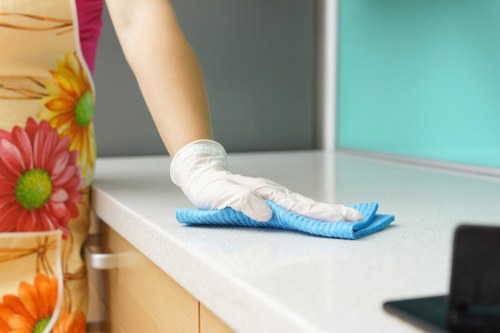
A successful communal area cleaning plan depends on timing, consistency, and attention to detail. Some areas need daily cleaning, while others may require weekly, fortnightly, or monthly deep cleans. The right schedule should reflect the property’s use, layout, and the expectations of residents or tenants.
High-traffic buildings often need daily attention in lobbies, lifts, corridors, and entrances. Stairwells may also need frequent sweeping and mopping, especially in winter when mud and moisture are carried indoors. Less-used storage or service areas may only need periodic cleaning, but they should still be checked to avoid buildup.
Building managers can improve results by creating a cleaning checklist for each communal space. This ensures nothing is missed and makes it easier to maintain standards over time. A structured approach to communal area cleaning also helps spot recurring issues, such as overflowing bins, damaged flooring, or areas that need more frequent servicing.
Example Cleaning Frequency
- Daily: entrance areas, lifts, touchpoints, visible litter, floors in high-traffic zones
- Weekly: stairwells, skirting boards, glass panels, walls, bin stores
- Monthly: deep floor cleaning, detail dusting, signage cleaning, edge and corner buildup
- Quarterly: specialist maintenance or restorative cleaning
Key Challenges in Communal Area Cleaning
Shared spaces come with unique cleaning challenges. Because they are used by multiple people with different routines, the mess is often unpredictable. Weather, foot traffic, delivery schedules, and resident habits can all affect how quickly a space becomes dirty. This is why communal area cleaning must be flexible and responsive.
One common challenge is repeated surface marking. Fingerprints on glass doors, scuffs on painted walls, and smudges around switches can make a space look tired even when the floors are clean. Another issue is inconsistent waste disposal. If residents or building users leave bags, wrappers, or bulky items in shared spaces, the area can quickly look untidy.
Cleaning teams also need to manage different surfaces carefully. Stone, vinyl, carpet, laminate, and metal all require different products and methods. Using the wrong cleaner can damage finishes or leave residue. Skilled communal area cleaning professionals know how to work efficiently while protecting the materials inside the building.
Common challenges include:
- Heavy foot traffic
- Weather-related dirt and moisture
- Spills and stains in shared kitchens or entrances
- Lift and stairwell grime
- Limited access windows for cleaning in occupied buildings
Best Practices for High-Quality Communal Area Cleaning

To get the best results, communal area cleaning should be carried out with a clear process and the right products. Cleaners should follow a logical sequence, working from top to bottom and from cleaner areas toward dirtier areas. This prevents recontamination and ensures a more efficient workflow.
Good communication is equally important. Property managers should share expectations, access arrangements, and any known issues with the cleaning team. If residents know when cleaning happens, they can help keep shared spaces clear and avoid obstructing access. In many cases, small adjustments from building users can improve results significantly.
High-quality communal area cleaning also relies on inspections. Regular checks make it easier to confirm standards, identify missed spots, and track whether a property needs extra attention. This kind of oversight is especially valuable in larger buildings or developments with multiple communal zones.
Best practice checklist
- Use a written cleaning schedule
- Match products to the surface being cleaned
- Prioritise high-touch and high-traffic areas
- Document recurring issues and maintenance needs
- Review cleaning performance regularly
Communal Area Cleaning in Residential Properties
In residential settings, communal area cleaning directly affects how people feel about where they live. Residents notice when hallways smell fresh, entrances are spotless, and stairwells are free from litter. They also notice when cleaning is inconsistent or when shared areas begin to look neglected. That is why good cleaning standards are closely linked to resident satisfaction.
Apartment blocks, housing estates, shared houses, and retirement properties all benefit from a tailored cleaning approach. For example, retirement living may require softer, more careful cleaning methods and a stronger emphasis on hygiene. Student accommodation may need frequent litter removal and spill response because of higher turnover and heavier social use. Family apartments may require more regular touchpoint cleaning due to larger numbers of occupants.
A clean communal environment can also support a sense of community. When people see that shared areas are looked after, they are more likely to respect them in return. This creates a positive cycle that helps preserve the building’s condition over time.
Residential priorities may include:
- Maintaining a welcoming entrance
- Keeping stairwells and landings free of dust
- Cleaning lift panels and mirrors
- Managing post areas and bin rooms
- Reducing odors and visible clutter
Communal Area Cleaning in Commercial Buildings
Commercial premises also rely on communal area cleaning to project professionalism. Whether the building hosts offices, clinics, retail units, or mixed tenants, shared spaces often shape the first impression for clients, suppliers, and staff. A polished lobby or corridor suggests that the business environment is organised and well managed.
In commercial spaces, cleaning needs can change throughout the week. Busy reception areas may need more attention on Mondays and after events. Shared kitchens and break rooms can require regular disinfection. Conference corridors, toilets adjacent to communal zones, and lift lobbies may need extra service during peak periods. The cleaning strategy should align with the building’s operational rhythm.
Because commercial occupants often have different schedules, flexible access and careful planning are essential. Effective communal area cleaning should minimise disruption while still maintaining consistently high standards. That balance helps create a workplace that feels professional, safe, and efficient.
Choosing the Right Cleaning Partner
Selecting the right provider for communal area cleaning can make a noticeable difference to quality and reliability. Not every cleaning service is equipped to handle shared residential and commercial spaces with the same level of detail. It is worth choosing a team that understands the demands of high-traffic environments and can adapt to the property’s specific needs.
Look for a provider that offers flexible scheduling, clear communication, trained staff, and a detailed service plan. They should be able to explain which areas are included, how often tasks are completed, and what products or methods are used. Transparency matters because it helps property managers know exactly what standard of cleaning they are receiving.
It can also be useful to work with a provider that can scale services as the building changes. For example, if occupancy increases, if the weather creates more dirt, or if a refurbishment takes place, the cleaning plan should be updated accordingly. A strong communal area cleaning partner will be responsive rather than rigid.
What to look for:
- Experience in shared property environments
- Reliable attendance and punctuality
- Attention to detail on high-touch surfaces
- Clear reporting and issue escalation
- Professional, friendly, and discreet service
Making Communal Spaces Look Better for Longer
One of the most valuable outcomes of communal area cleaning is that it helps surfaces stay presentable for longer. Regular maintenance prevents dirt from becoming embedded and reduces the need for costly restoration work. This applies to flooring, walls, lifts, furniture, and fixtures alike.
Simple habits also make a difference. Entrance mats can capture dirt before it spreads through the building. Clear signage can encourage better waste disposal. Routine checks can catch spills before they stain. When cleaning, maintenance, and occupant cooperation work together, communal spaces remain more attractive and functional.
Property managers who treat communal cleaning as an ongoing priority often see better outcomes across the board. Fewer complaints, improved safety, stronger visual appeal, and lower repair costs all follow from a consistent approach. That is the real value of professional communal area cleaning: it protects both the building and the people who use it every day.
Final Thoughts on Communal Area Cleaning
Communal area cleaning is essential for keeping shared buildings safe, hygienic, and welcoming. From residential blocks to office complexes, the condition of communal spaces influences comfort, reputation, and long-term maintenance costs. A reliable cleaning routine helps control dirt, reduce hazards, and create a better experience for everyone who enters the property.
Whether the priority is shine, hygiene, odor control, or overall presentation, the best results come from consistency and attention to detail. When cleaning is planned properly and carried out by trained professionals, shared areas stay in much better condition and require less corrective work over time.
If your building would benefit from a more reliable cleaning routine, now is the right time to act. Contact us today to improve the condition of your shared spaces, or book your service now and give your property the care it deserves.